PautaInternas
Actions
buscador
Actions
Safety
Actions
Safety
May 14, 2026
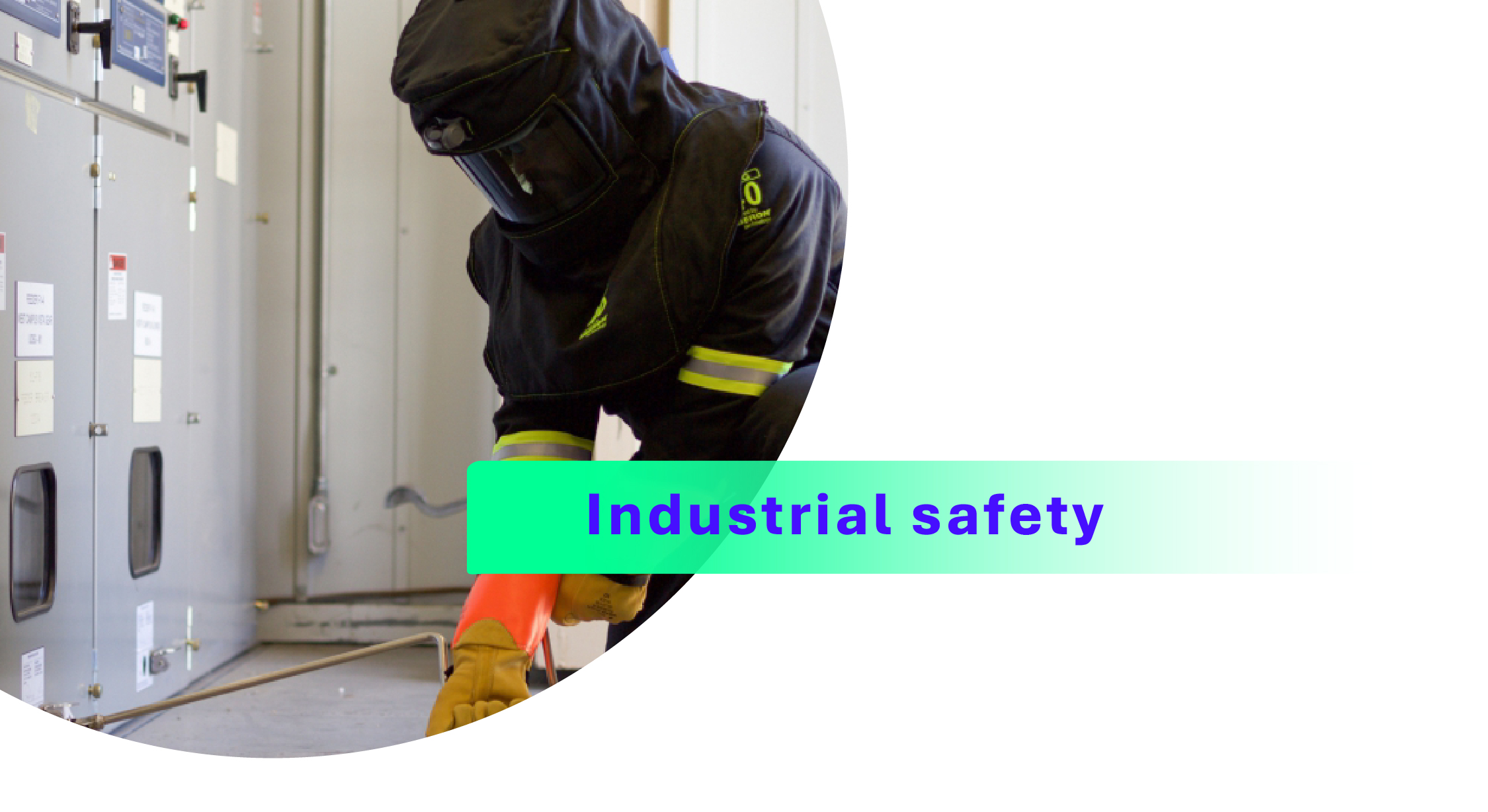
Industrial safety at Ecopetrol seeks to manage the hazards arising from activities and tasks that may affect contractors and visitors within our facilities.
At Ecopetrol, we have a set of key industrial safety guidelines that direct the application of our safe practices, strengthen risk management design, and ensure compliance with applicable legal requirements. These guidelines align with the corporate strategy and the Rules that Save Lives, defining the core behaviors expected across all levels of the organization and supporting a strong culture of protection and care for life.
Our safety practices are established and refined through the Industrial Safety Technical Committees, specialized forums where key safety concerns are discussed, operational gaps are identified, and continuous improvement initiatives are developed. This technical leadership is supported by a system of audits and evaluations that helps us assess the implementation, effectiveness, and compliance of each safe practice with established guidelines. Furthermore, we implement Safe Work Practices, providing guidelines from planning and activity initiation through execution and completion to ensure safe, controlled conditions throughout all phases of work.
These actions reflect our ongoing commitment to the guiding principle of our organization: Life First.
Figure 1
Rules that Save Lives
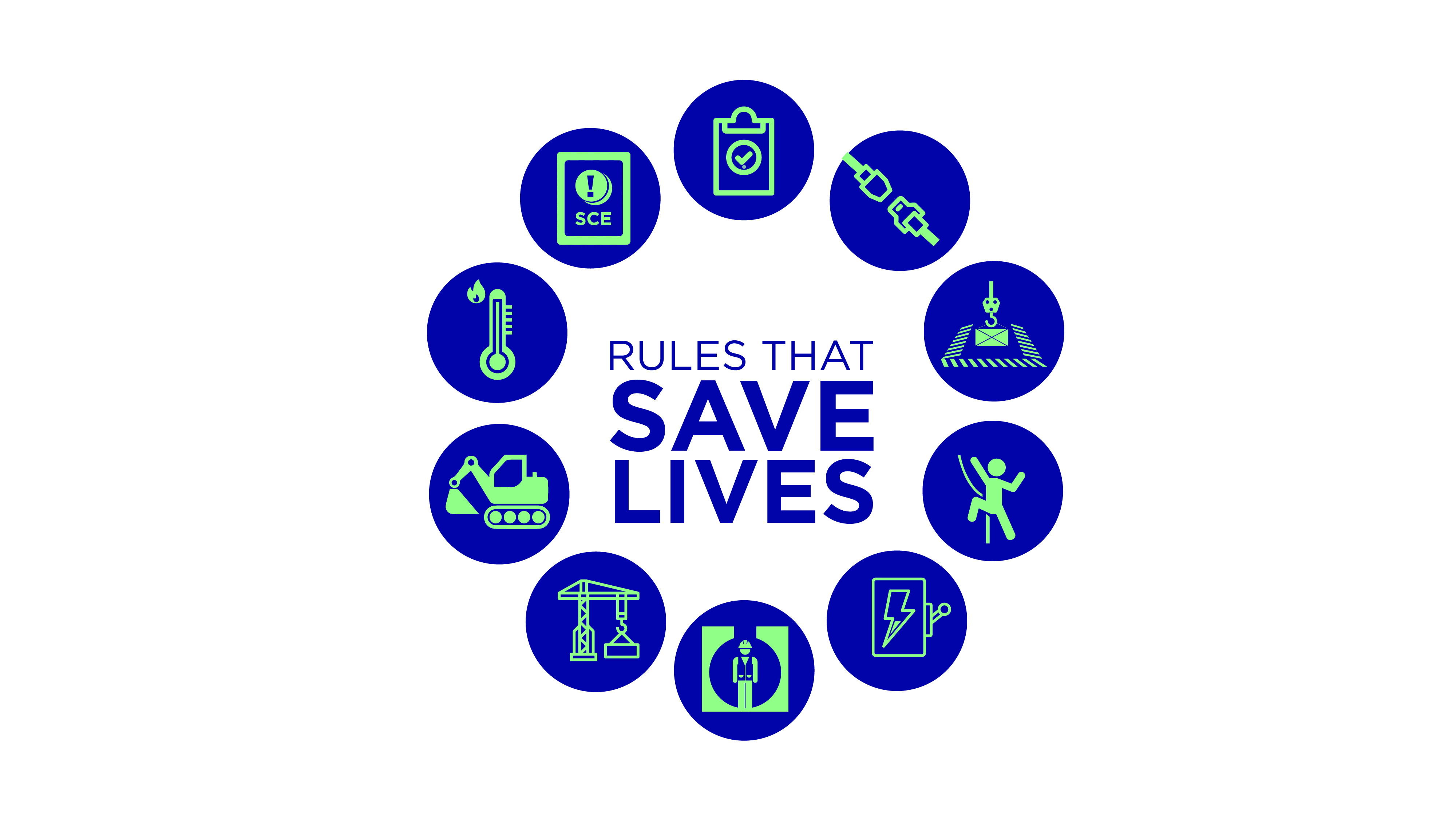
Our safe practices are grounded in the Rules that Save Lives, which provide a framework for behavior and operational controls in response to critical risks.
Based thereon, we have defined road safety and contractor management as strategic priorities, as they are areas of highest exposure and potential for serious or fatal consequences within our operation.
ROAD SAFETY
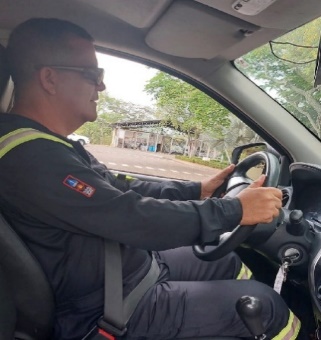
At Ecopetrol, our road safety strategy centers on a travel management approach that identifies necessary trips and aims to reduce unnecessary travel, thereby minimizing mileage. We ensure that vehicles are operated by skilled drivers and adhere to strict standards for mechanical safety and both active and passive safety measures. Additionally, we foster safe driving practices through key risk-mitigation programs, including controls for speed, alcohol and drug use, fatigue management, protection of vulnerable individuals, and distraction prevention. This comprehensive model is implemented across all our transportation, operational, and support divisions, enabling us to operate efficiently while prioritizing safety and our commitment to Life First.
OUR PARTNERS
Managing contractors, local partners, and suppliers involves more than just assessing performance; it aims to create shared value and enhance sustainable capacities across the entire supply chain. Safe practices establish clear criteria for objectively evaluating field management, complemented by ongoing support through HSE training and monitoring of improvement plans. This fosters the technical and operational growth of our partners. Such a comprehensive approach strengthens the safety culture and commitment to life safety, while also building long-term relationships rooted in trust, shared responsibility, and mutual benefits for the Company and its environment.
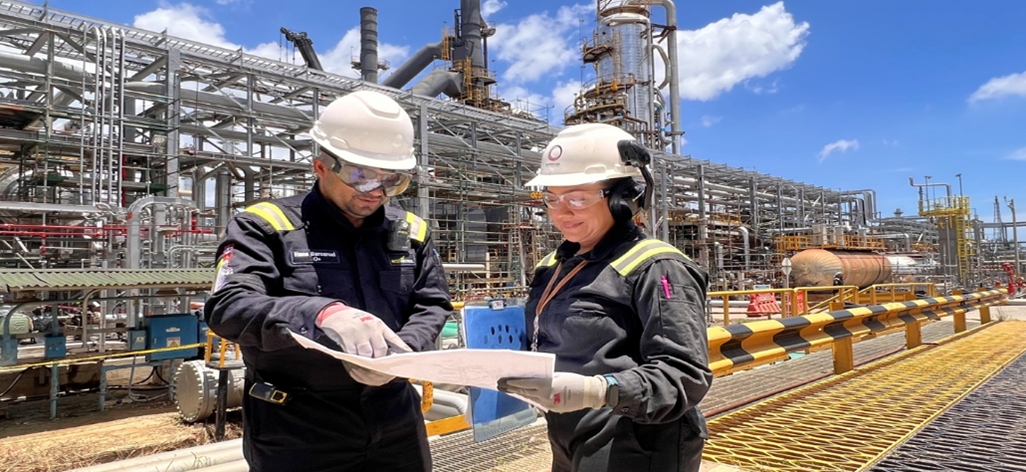
Total recordable injury frequency
TRIF measures the number of recordable injuries caused by or in connection with the work of direct personnel, contractors, subcontractors, and trainees, which includes: (i) fatalities, (ii) medical disabilities, (iii) restricted work, and (iv) medical treatments, per million hours worked.
Figure 2
Total Recordable Injury Frequency – Employees and Contractors of the Ecopetrol Group
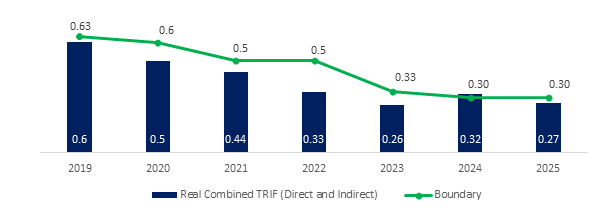
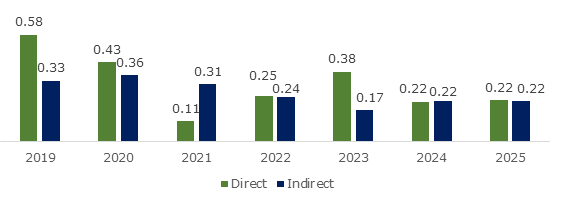
The total recordable injury frequency for direct and indirect staff is detailed below.
Figure 3
Total Recordable Injury Frequency – Direct Employees – Ecopetrol Group
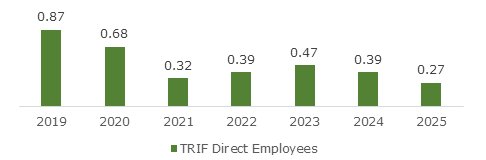
Figure 4
Total Recordable Injury Frequency – Indirect Staff – Ecopetrol Group
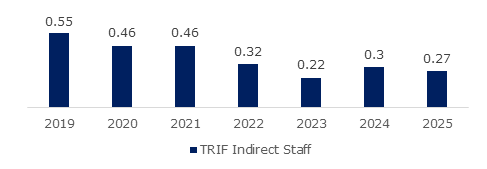
Figure 5
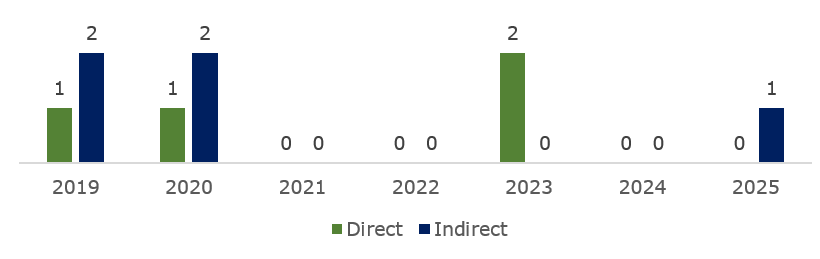
Number of Fatalities Resulting from an Injury from a Work-Related Accident (Direct and Indirect Staff)
Lost time injury frequency rate
It quantifies the number of recordable injuries that result from or occur during the work of direct personnel, contractors, subcontractors, and trainees. This includes: (i) fatalities and (ii) medical disabilities, per million hours worked.
Figure 6
Distribution of the Lost Time Injury Frequency Rate (includes fatalities) – Direct and Indirect Staff